
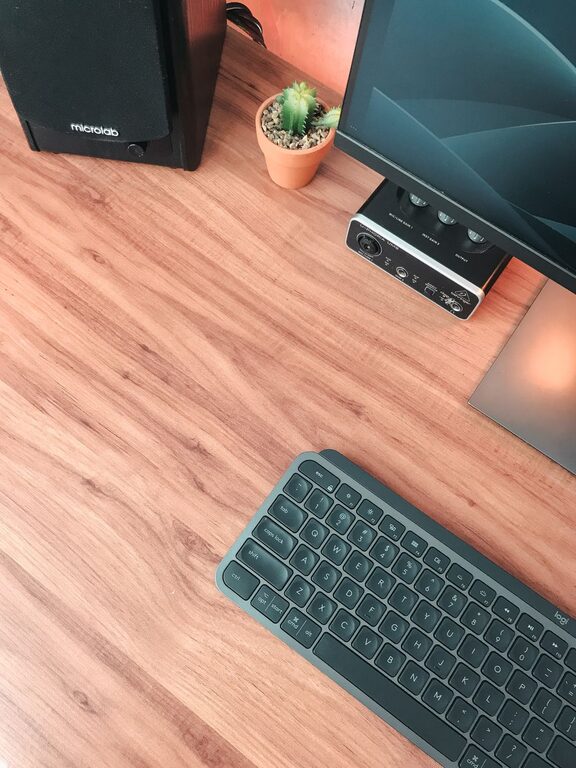
Creating an efficient and comfortable home office in a small space can seem challenging, but with the right approach, you can turn any nook into a productive haven. Whether you’re working remotely or need a dedicated place for studying or personal projects, organizing your home office smartly helps enhance focus, reduce stress, and maintain comfort throughout your day.
Here are some practical tips for organizing a small home office that will boost your productivity and comfort.
1. Choose the Right Location
Find a Quiet, Well-Lit Spot
When space is limited, selecting the right location is crucial. Look for a quiet corner or a spot with minimal distractions. Natural light is ideal because it reduces eye strain and improves mood. Position your desk near a window if possible, but balance sunlight with glare by using adjustable blinds or curtains.
Consider Your Commute Within the Home
Avoid placing your office close to high-traffic areas like the kitchen or living room if you prefer quiet. Ensuring your workspace feels separate can help establish boundaries between work and personal life.
2. Use Space-Savvy Furniture
Opt for Compact and Multi-Functional Pieces
For a small home office, using compact desks designed for small spaces can free up room. Consider desks with built-in storage or shelves underneath to store office supplies.
Folding desks or wall-mounted workstations can be great options to save space when your office needs to double as another room.
Choose an Ergonomic Chair
Comfort is key when you sit for hours. Invest in an ergonomic chair that supports good posture without taking up too much space. Chairs with wheels or adjustable height features can adapt to your needs.
3. Keep Your Desk Organized
Declutter Regularly
Clutter can decrease your ability to focus. Keep only essential items on your desk. Store papers, stationery, and electronics in drawers or organizers.
Use Desk Organizers and Trays
Desk organizers with compartments keep pens, notes, and gadgets neatly arranged. Letter trays or file holders help manage documents efficiently without stacking them directly on the desk surface.
Manage Cable Clutter
Cables can get tangled and look messy, which can be distracting. Use cable clips, sleeves, or under-desk trays to route and conceal wires.
4. Maximize Vertical Space
Install Shelves or Floating Cabinets
When floor space is limited, go vertical. Wall-mounted shelves or cabinets create room for books, supplies, or decorative plants without crowding your desk.
Use Pegboards or Wall Grids
Pegboards and wall grids allow you to hang frequently used tools, calendars, or notes within arm’s reach while freeing desk space.
5. Optimize Lighting
Use a Combination of Lighting Sources
Good lighting is necessary for comfort and productivity. Combine overhead lighting with task lighting like adjustable desk lamps to reduce shadows and eye strain.
Choose Bulbs with Natural Light Effect
Select bulbs that mimic daylight to keep you alert and reduce fatigue, especially if your workspace lacks sufficient natural light.
6. Personalize Your Space Thoughtfully
Add Comfortable and Inspiring Touches
Incorporate elements that make your office feel inviting, such as cushions, a small rug, or artwork. However, avoid overdecorating, which could be distracting or consume too much space.
Bring in Some Greenery
Plants can improve air quality and add a calming ambiance. Choose small, low-maintenance plants like succulents or pothos that suit your space.
7. Create Defined Zones (If Space Allows)
If your small home office doubles as another room, consider defining zones for different activities. For example, one corner can be for computer work, another for reading or brainstorming with a comfy chair.
8. Develop a Routine to Maintain Your Organized Office
A well-organized office requires regular upkeep. Set aside a few minutes daily or weekly to tidy your workspace, put away loose items, and review your organizational system.
—
Final Thoughts
Organizing a small home office doesn’t mean sacrificing either productivity or comfort. With thoughtful furniture choices, smart storage solutions, and attention to lighting and personal touches, you can create an inspiring workspace that fits neatly in your home. Start with one or two changes and build on them to find what works best for you.
Remember that the goal is to make your workspace supportive of your work habits and wellbeing — when your environment helps you focus, your productivity and comfort naturally improve.