
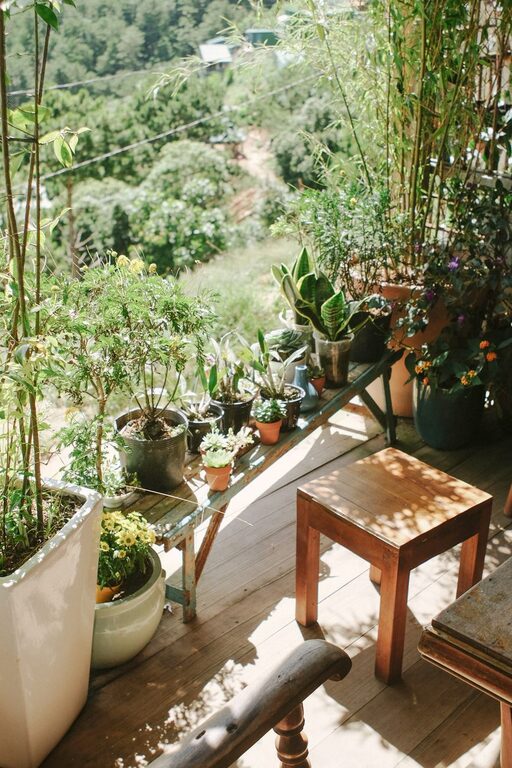
Creating a relaxing outdoor garden space at home is a wonderful way to unwind, enjoy fresh air, and connect with nature. Whether you have a large backyard or a small balcony, thoughtfully designing your garden can transform it into a peaceful retreat that suits your lifestyle. In this post, we’ll explore practical tips to help you create a serene outdoor garden space where you can relax and recharge.
Start with a Clear Vision
Before digging in, take some time to envision how you want your garden space to feel and function. Ask yourself:
– Do you want a space mainly for relaxing, entertaining, or gardening?
– What mood are you aiming to create—calm and quiet, lively and social, or something else?
– How much time and effort do you want to spend maintaining the garden?
Having a clear goal will guide your design decisions and make your outdoor space more enjoyable.
Choose Comfortable Seating
Comfortable seating is key for a relaxing garden area. Consider the following:
– Types of Seating: Options include lounge chairs, hammocks, garden benches, or swing seats. Choose what fits your space and style best.
– Materials and Cushions: Weather-resistant materials like teak, metal, and synthetic wicker last longer outdoors. Add cushions and pillows in soft, durable fabrics for extra comfort.
– Arrangement: Place seating in spots with shade or partial sun, and arrange seating to encourage easy conversation or quiet solitude.
Incorporate Natural Elements
Adding natural components helps create a soothing environment. Some ideas include:
– Plants and Flowers: Use a mix of greenery and colorful blooms to stimulate the senses and add visual interest.
– Water Features: Small fountains, birdbaths, or ponds can introduce gentle sounds that promote relaxation.
– Natural Materials: Use stone pathways, wooden decks, or bamboo fences to preserve an organic feel in your garden.
Use Lighting to Set the Mood
Outdoor lighting extends the usability of your garden into the evening and adds ambiance:
– Soft Lighting: String lights, lanterns, or solar-powered pathway lights create a warm glow.
– Focused Lighting: Use spotlights to highlight key features like plants or artwork.
– Safety and Functionality: Ensure well-lit walkways for safety without overpowering the softness of ambient lights.
Add Privacy and Shade
Privacy can make your garden feel like a personal sanctuary:
– Screens and Fences: Use lattice panels, tall plants, or garden walls to block neighbors’ views.
– Shade Structures: Install pergolas, umbrellas, or shade sails to protect against harsh sun and make the space more inviting.
Create Zones for Different Activities
Dividing your garden into zones allows you to enjoy multiple activities:
– Relaxation Zone: A cozy nook with a comfortable chair or hammock for reading or napping.
– Dining Area: A table and chairs for outdoor meals and gatherings.
– Gardening Zone: Raised beds or containers for growing flowers, herbs, or vegetables.
– Play Zone: If you have children, consider a small play area with safe surfaces.
Clearly defined spaces improve usability and organization.
Choose Low-Maintenance Plants
If you want a garden that requires minimal upkeep, select plants suited to your climate and soil conditions:
– Native Plants: Often more resilient and easier to care for since they’re adapted to local conditions.
– Drought-Tolerant Plants: Save water and reduce watering efforts with succulents, ornamental grasses, or lavender.
– Perennials: These come back year after year, reducing the need for replanting.
Mulching and proper watering also help reduce maintenance.
Use Color Wisely
Colors can influence mood, so choose your garden’s color scheme thoughtfully:
– Cool Colors: Blues, purples, and greens are calming and soothing.
– Warm Colors: Yellows, oranges, and reds can energize but should be used sparingly in a relaxation space.
– Neutral Tones: Whites and soft pastels create a gentle and elegant atmosphere.
Coordinate flower colors, cushions, and decor to create harmony.
Incorporate Personal Touches and Decor
Adding personal items makes your garden feel welcoming:
– Decorative Items: Statues, wind chimes, or garden art can add character.
– Outdoor Rugs and Throws: These add texture and comfort underfoot.
– Planters and Pots: Choose containers that complement your style and add structure.
Keep decor simple to maintain a tranquil environment.
Maintain Your Garden Regularly
Consistency is key to keeping your space inviting:
– Weeding and Pruning: Regularly remove weeds and trim plants to prevent overgrowth.
– Cleaning: Sweep paths, wipe furniture, and clear debris.
– Feeding Plants: Use appropriate fertilizers to keep plants healthy.
Regular care ensures your garden remains a relaxing space year-round.
—
Transforming your outdoor area into a calm garden retreat can be a rewarding project that enhances your home life. With these tips on seating, lighting, plants, and design, you’re ready to craft a beautiful and peaceful garden space. Enjoy the process and the serenity it brings!